
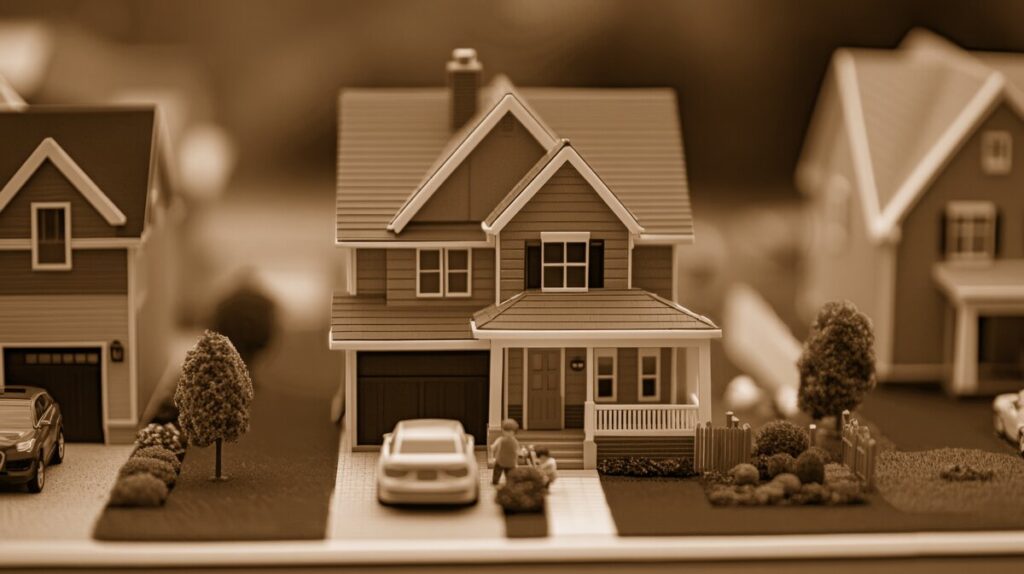
Nestled on the northwestern edge of Harvard, Illinois, Harvard Commons stands as both a testament to the city’s evolution and a welcoming refuge for generations of families. Known for its tree-lined streets, quiet parks, and neighborly spirit, Harvard Commons boasts a rich history that weaves together the broader tapestry of Harvard’s past. As a longtime resident, I’m excited to share the story of our community: its origins, its milestones, and what makes our corner of McHenry County so memorable.
The Origins of Harvard Commons
Before Harvard Commons was the thriving neighborhood we know today, the land was a patchwork of prairie and farmland, typical of much of northern Illinois through the 19th century. The origins can be traced back to the post-World War II era, when many small towns in the area experienced a boom in population and housing. Harvard itself, originally established in the mid-1800s as a railroad town, began to sprawl outward from its historic downtown, fueled by new industries and a growing demand for homes.
Harvard Commons was first platted in the late 1960s, part of a wave of development intended to provide more affordable, family-friendly housing just north of US 14. The development’s name, “Commons,” was chosen by its planners to reflect the community-oriented spirit they hoped to foster—a nod both to the common greens of New England towns and to the inclusive nature of shared spaces.
Naming the Neighborhood
Why “Harvard Commons”? The city of Harvard itself was named after Harvard, Massachusetts, the childhood home of an early settler, reflecting a trend among Illinois founders to bring Eastern roots to the Midwest. “Commons,” meanwhile, conjures images of communal land and gathering places, representing the neighborhood’s intention to serve as a hub for connection and civic life. The developers imagined residents meeting along the broad sidewalks of Garfield Street and children playing in the open fields that, at that time, framed the neighborhood.
Key Historical Milestones
Over the decades, Harvard Commons has played host to a number of milestones and memorable incidents, shaping it into the close-knit area it is today.
- 1968: Groundbreaking for the first homes on Pierce Drive and Fillmore Street. Early residents recall dirt roads and quick friendships as newcomers worked to build not only houses but a genuine community.
- 1976: The official opening of Harvard Commons Park, a small but beloved green space on the southern edge of the neighborhood, became the heart of community gatherings—summer picnics, block parties, and youth sports have taken place here year after year.
- 1990s: Expansion to the west, adding several new streets and cul-de-sacs, including Eisenhower Avenue and Kennedy Court, alongside newly built townhomes catering to young families and retirees alike.
- 2008: The neighborhood’s 40th anniversary celebration saw multiple generations return “home” for a reunion picnic in the park.
- 2020s: The rise of community gardening and a revitalized homeowners’ association have brought new energy and traditions, including winter luminaria, plant swaps, and food drives.
Notable Landmarks and Institutions
Though largely residential, Harvard Commons features a few key sites that stand out:
- Harvard Commons Park: Its simple playground, winding walking path, and picnic shelter make this the go-to gathering spot for residents, particularly during the warm summer months.
- Dean Street School: Located just east of the neighborhood, this elementary school has served generations of local children and is often the backdrop for first-day-of-school photos.
- The Commons Community Garden: Established in 2015 on a previously vacant lot near Roosevelt Road, the garden reflects the neighborhood’s eco-conscious spirit, inviting residents to grow vegetables and flowers side-by-side.
Evolution Over the Decades
Walking the streets of Harvard Commons today—along Grant Street or past the mature oaks of Madison Avenue—it’s easy to see echoes of the past, even as the neighborhood adapts to changing times.
- In the early days, residents were almost exclusively young families. Over time, the area welcomed a more diverse mix, with both original homeowners aging in place and new families moving in for its reputable schools and peaceful vibe.
- Houses, originally modest ranches and split-levels, have been lovingly maintained or updated over the years. Some feature modern extensions while others preserve their mid-century charm.
- The tradition of block parties has persisted, with newcomers always welcome and recipes handed down from neighbor to neighbor.
- Proximity to Harvard’s historic downtown—less than a mile away—means residents regularly enjoy annual events like Milk Days, parades, and the weekly farmers’ market.
- The neighborhood’s commitment to safety and connection is reflected in frequent “porch light nights,” when residents leave lights on to encourage evening strolls and friendly hellos.
- Parks and sidewalks remain the arteries of daily life, where children ride bikes, friends gather for sunset walks, and the legacy of shared spaces continues to thrive.
What Makes Harvard Commons Special
Harvard Commons isn’t just a neighborhood; it’s a living, breathing community infused with the stories of the people who call it home. From the sound of laughter in the park to the sight of blooming gardens along Lincoln Street, life here is rich with tradition and pride. The legacy of its founders, the tenacity of those who’ve maintained it over decades, and the energy of new arrivals combine to create a place unlike any other in Harvard.
To this day, those who move away often share the same sentiment: Harvard Commons isn’t just where they grew up or where their kids went to school—it’s a part of who they are. And for those of us who remain, every season brings a reminder of why we fell in love with this place: its welcoming spirit, its enduring beauty, and the shared joy of belonging to something truly special.